
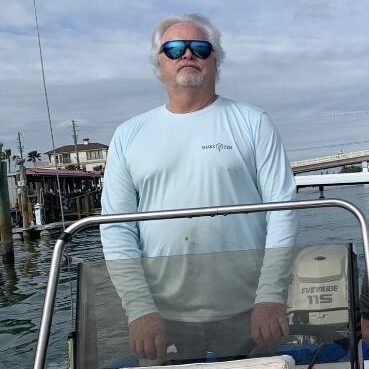
Greg grew up in South Florida, and spent most of his time on the water including surfing up and down the east coast of Florida, driving air boats in the Everglades, and fishing, diving, spearfishing in the Florida Keys and the Bahamas. Most of these trips Greg made with his dad, who was a guide in South Florida for 50 years. Carrying on the tradition, Greg is now sharing his knowledge on the importance of mangroves barrier islands as an Eco Tour Guide with a boat tour business in the Saint Pete area.
Mangrove Ecology
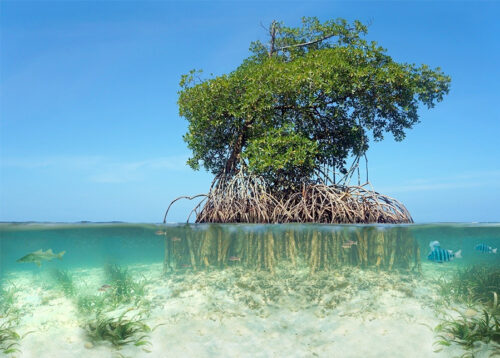
A mangrove is a shrub, tree or stand of trees that grows mainly in coastal saline or brackish water, typically along coastlines and tidal rivers.
They have special adaptations to take in extra oxygen and to remove salt, which allow them to tolerate conditions that would kill most plants. Their specialized root systems also serve as a-natural filtration system to remove excess nitrogen, phosphorous, iron and other pollutants in the water.
Mangrove forests are also effective at carbon sequestration and storage as a result is an important means to counterbalance greenhouse gas emissions.
They protect nearby areas from tsunamis, hurricanes and extreme weather events.
Mangrove forests serve as vital habitats for a diverse array of aquatic species, offering a unique ecosystem that supports the intricate interplay of marine life and terrestrial vegetation. Learn more about this unique habitat first hand.
The International Day for the Conservation of the Mangrove Ecosystem is celebrated every year on 26 July.